Services
-
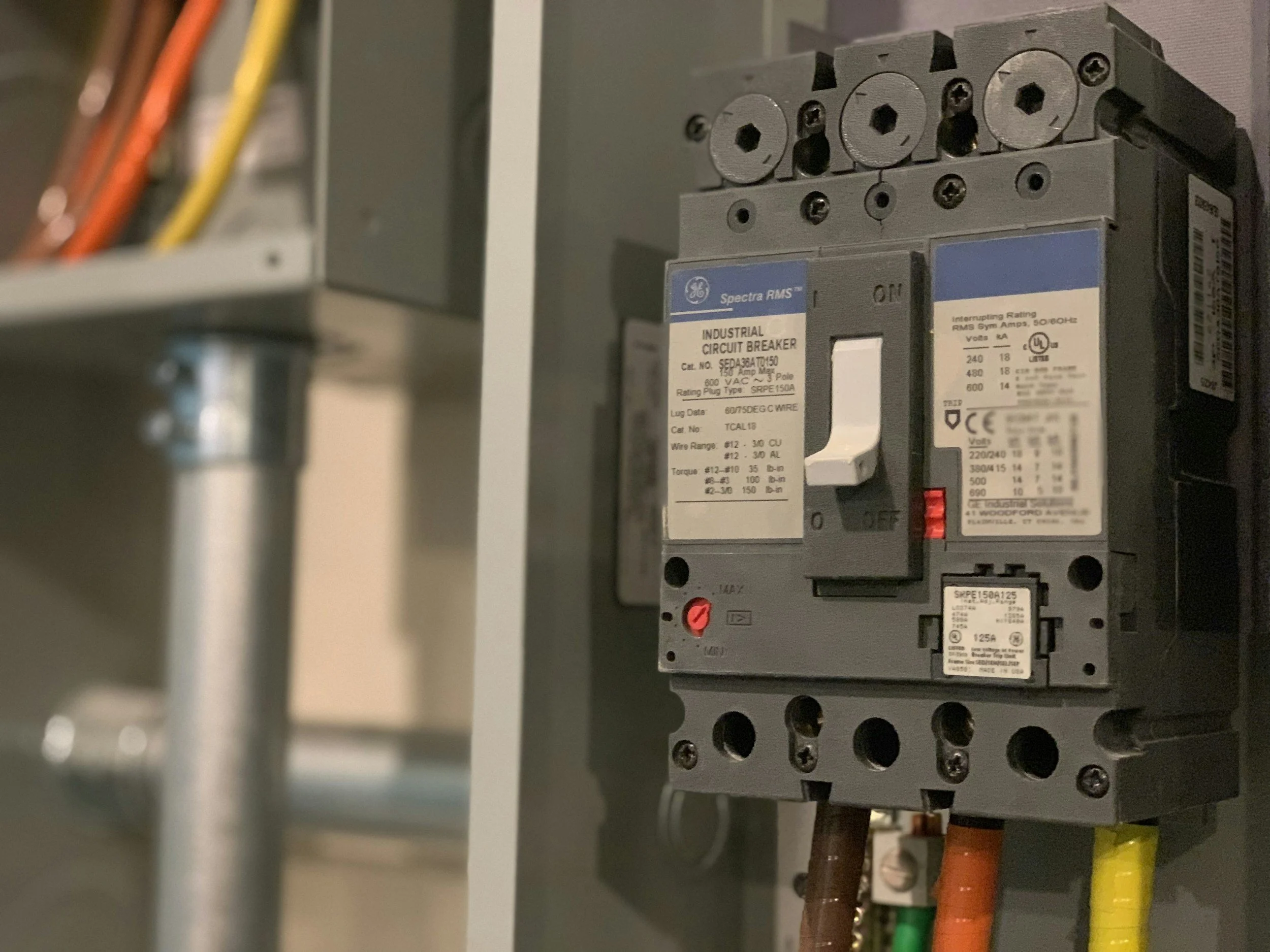
Electrical Engineering
Electrical engineering involves designing, construction support, and managing complex electrical systems for buildings, ensuring power, safety, and code compliance from concept to completion, with seamless integration with architecture, structural elements, and specialty contractors, using automation tools for efficiency.
-

Lighting Design
Lighting design blends art (aesthetics, mood) and science (technical specs, energy efficiency) to create functional, safe, and beautiful illuminated spaces, bridging interior design's vision with electrical engineering's practicality, using calculations, codes (Title 24), and tech (LEDs, controls) to meet project needs from daylighting to specific tasks, enhancing productivity and well-being.
-
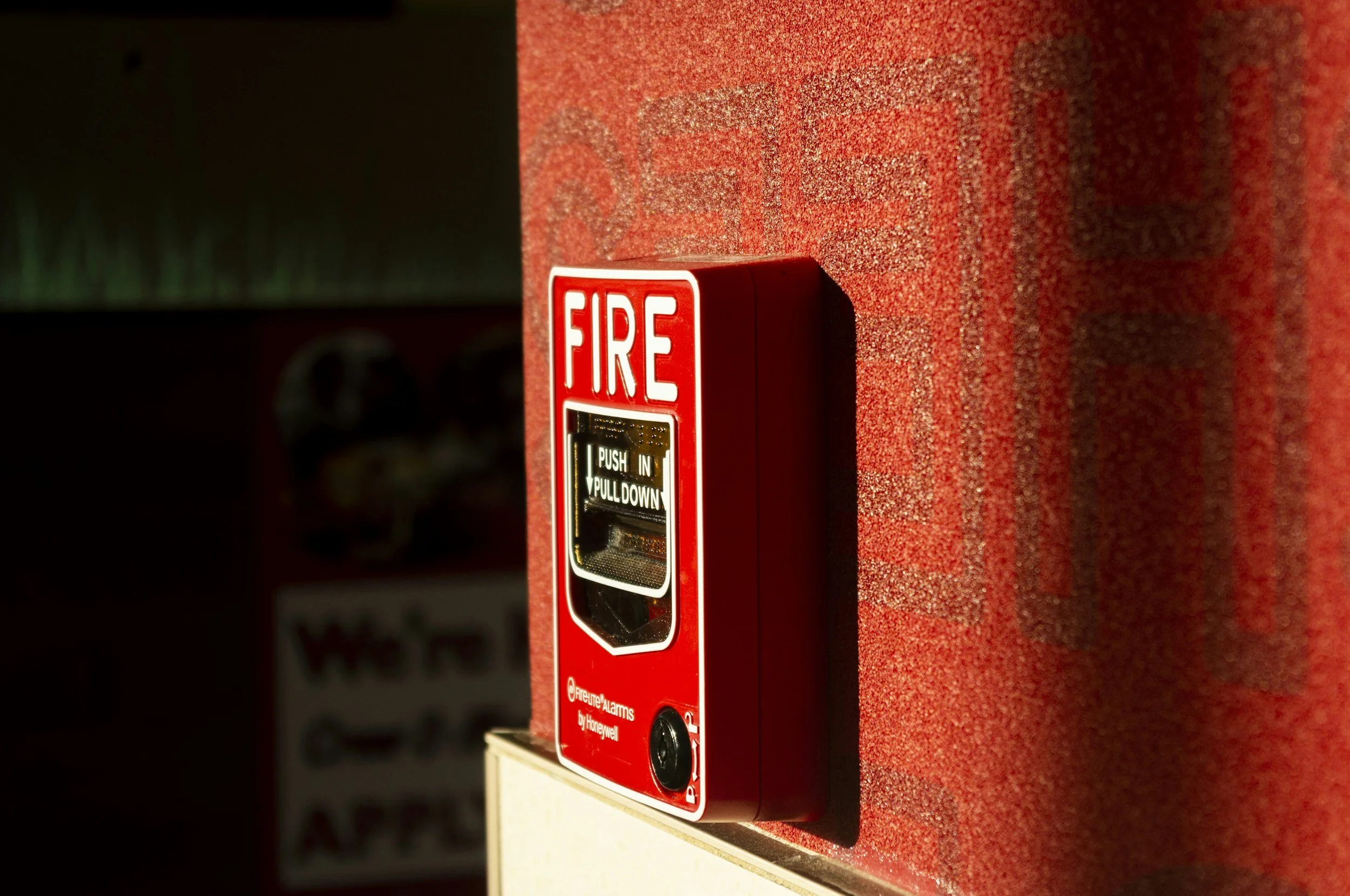
Fire Alarm Systems
Fire alarm design is the process of creating a system to detect fires and alert occupants, involving selecting components like smoke detectors, pull stations, and alarms, and integrating them based on building codes (NFPA 72, IBC, CBC, CFC) and usage, using either conventional (zone-based) or addressable (device-specific) technology for reliable life safety. Key steps include assessing building needs, choosing device types (initiating, notification), planning circuits (SLC, IDC, NAC), ensuring code compliance, and integrating with other systems like sprinklers, all while considering maintenance and future needs.
-
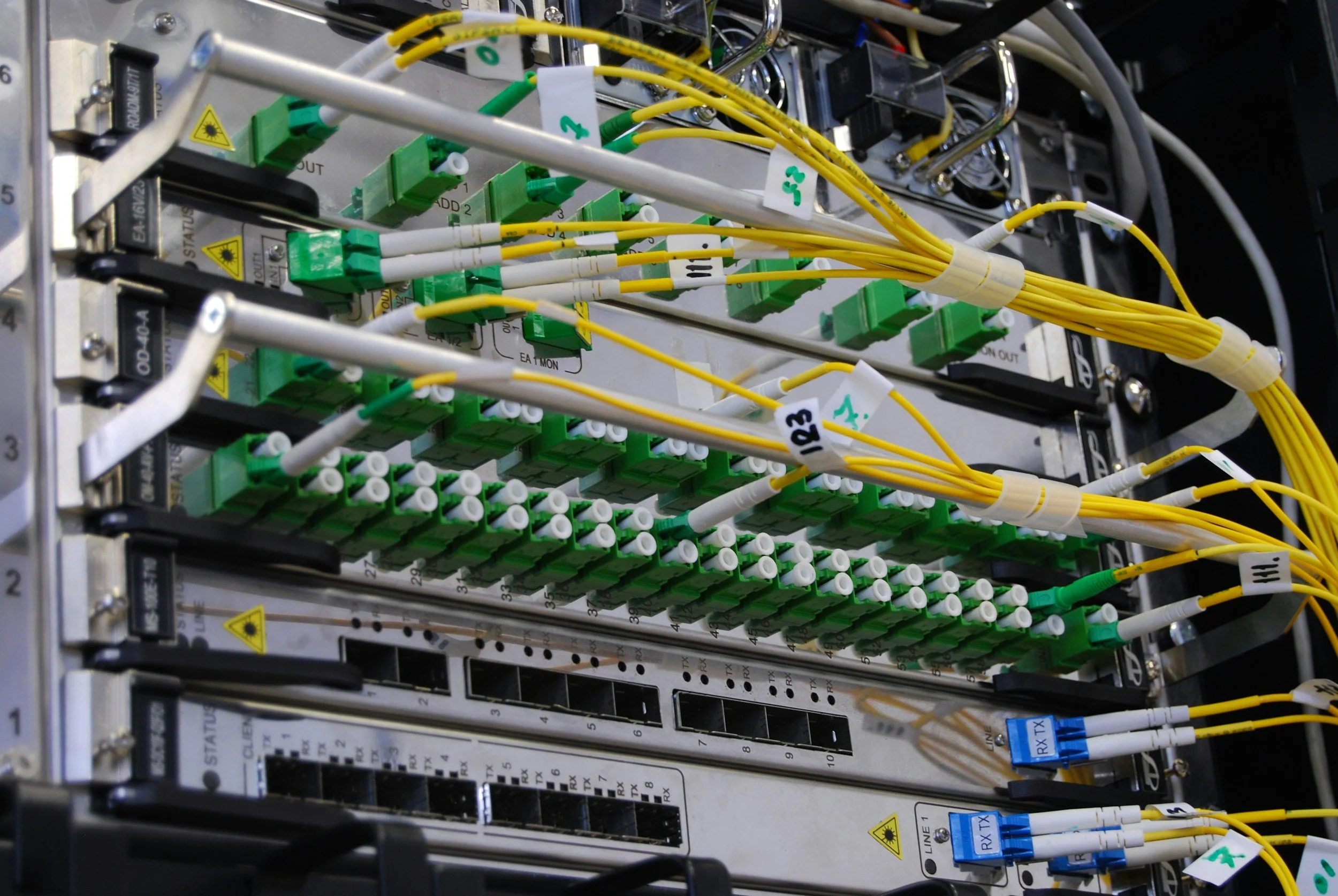
Telecommunications
Telecommunications design involves creating detailed plans for network infrastructure (fiber, wireless, copper) from concept to deployment, ensuring systems meet performance, safety, and code standards through site surveys, route planning, structural analysis, permitting, and construction support, integrating civil, electrical, and structural expertise for seamless builds. This process ensures efficient, scalable, and compliant networks for carriers and businesses. These designs dictate conduit, cable pathways, MDF/IDF room layouts, and device placement, preventing interference and enabling future tech.
-
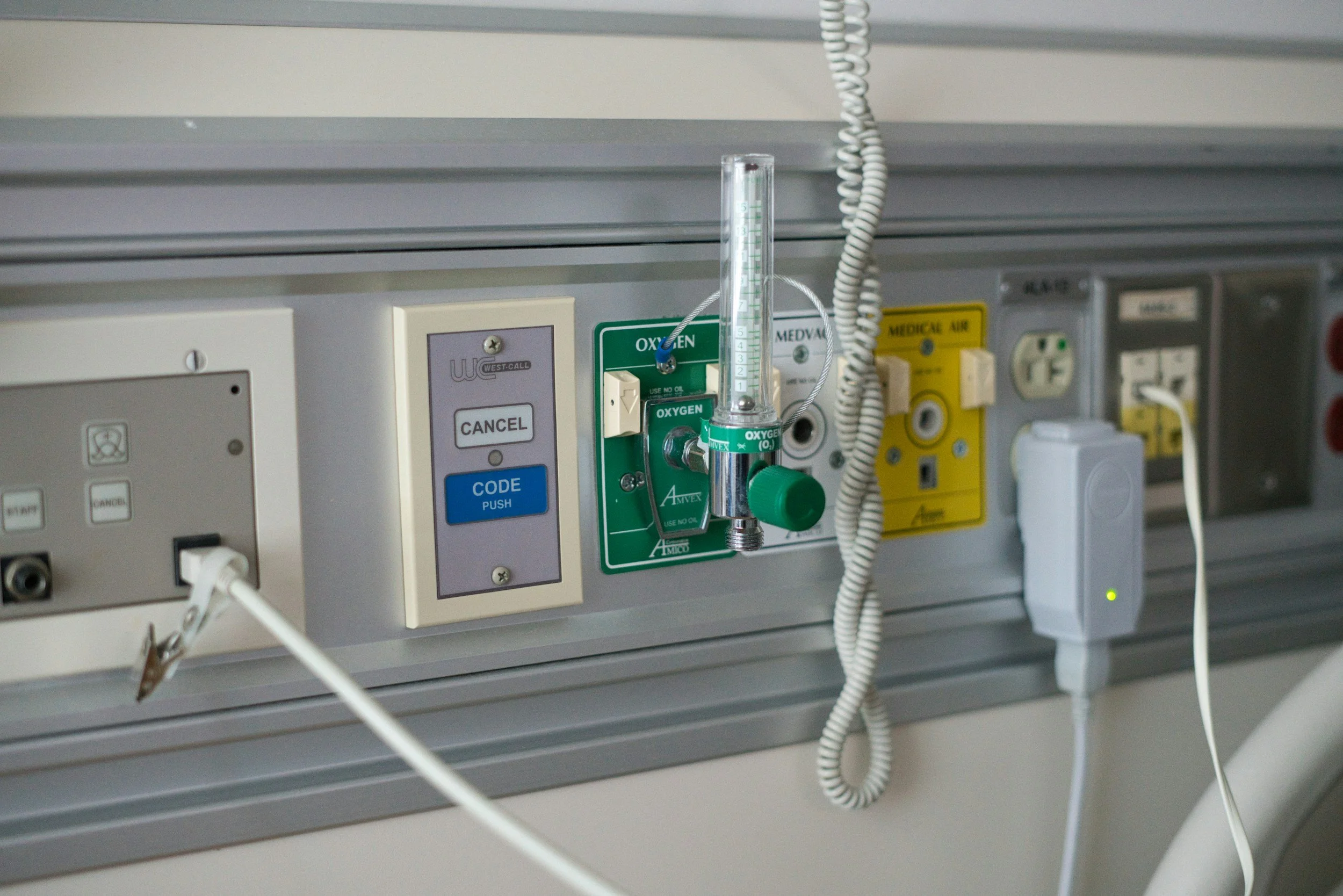
Low Voltage Systems
Low Voltage Systems design involves creating detailed plans for modern building infrastructure like, security (cameras, access control), audio/visual, Nurse call, intercom, clock and bell systems, ensuring seamless integration with power systems, using BIM/AutoCAD for routing cables (Cat6, fiber), and adhering to codes (NEC, TIA/EIA) for safety, efficiency, and scalability, all crucial for modern smart buildings.
-
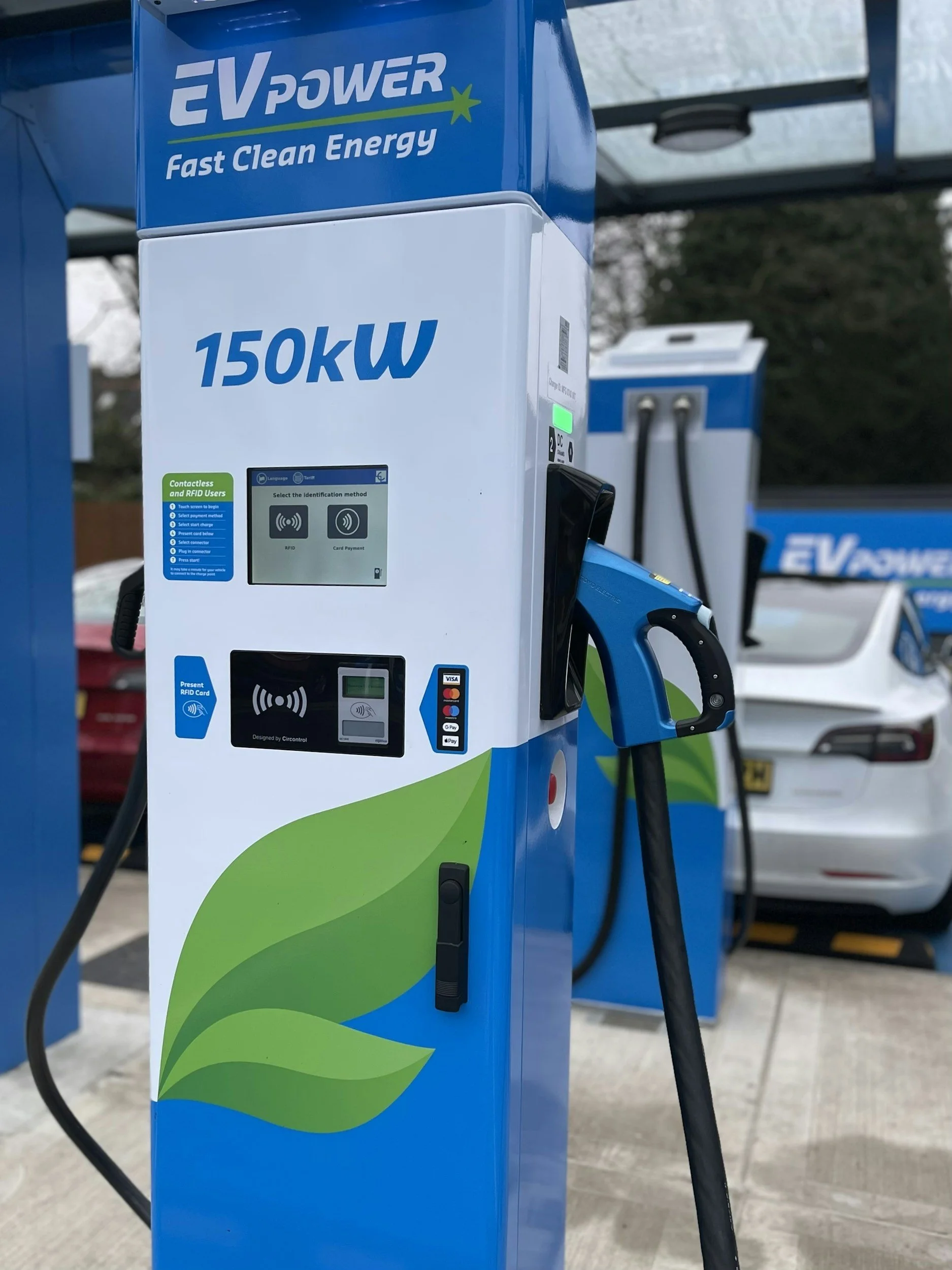
Electric Vehicle Charging Stations
EV charging station design and engineering involves site assessment, electrical load calculation, grid coordination, hardware selection (Level 1, 2, DCFC), conduit routing, permitting, and construction, requiring close collaboration between electrical and civil engineers to ensure safety, code compliance (NEC/NFPA), accessibility, and future scalability, focusing on integrated solutions like switchboards for efficiency.
-
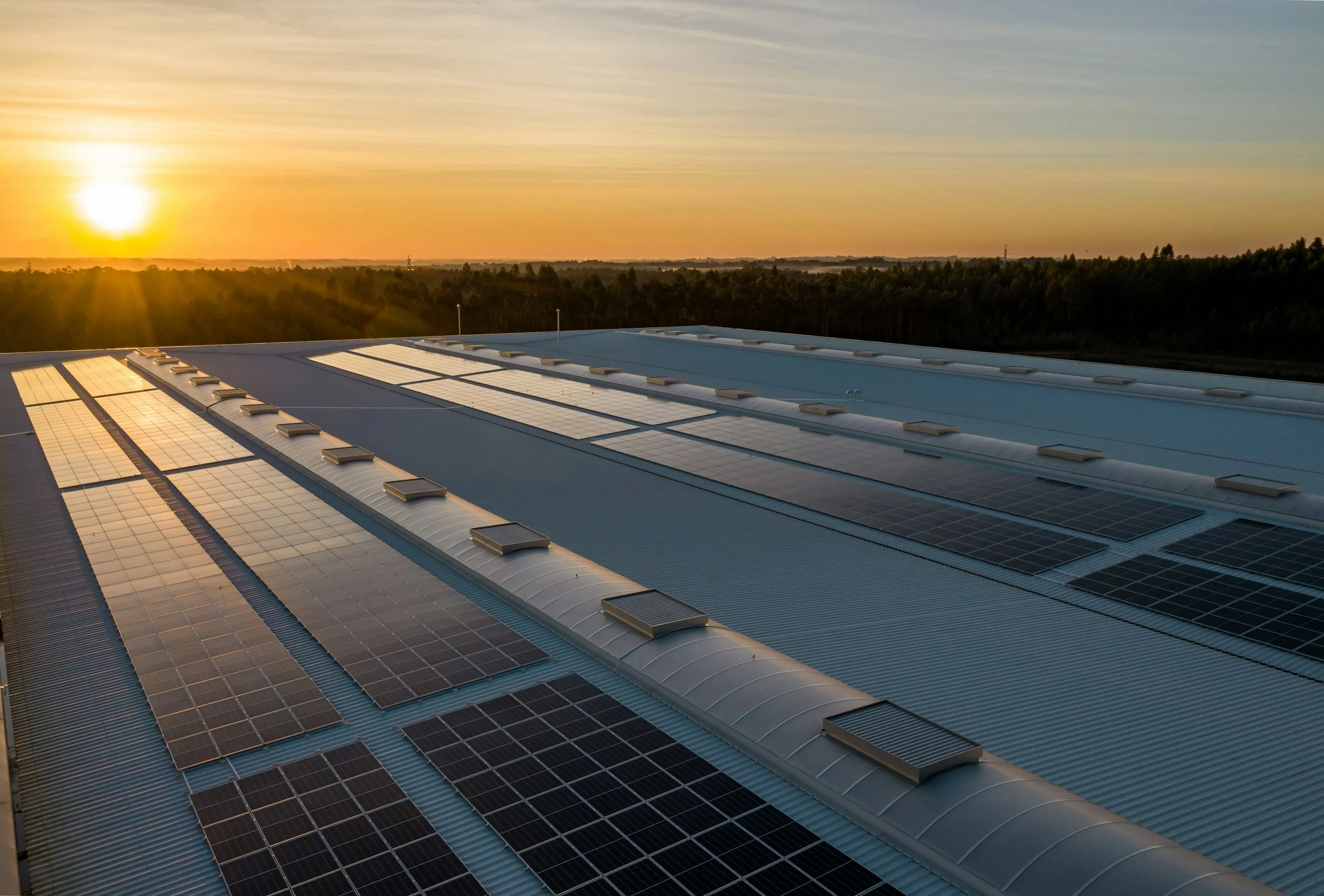
Photovoltaic Systems Design
Photovoltaic (PV) Systems Design involves the technical planning, layout, and integration of solar power systems into buildings, requiring electrical, mechanical, and structural considerations for efficiency, safety, and code compliance. Engineers design optimal panel placement, select components (panels, inverters, mounting), ensure structural support, plan electrical connections (like load-side tie-ins), and create permit-ready construction drawings to seamlessly blend solar generation with building management systems for cost-effective, high-performance energy solutions.
-
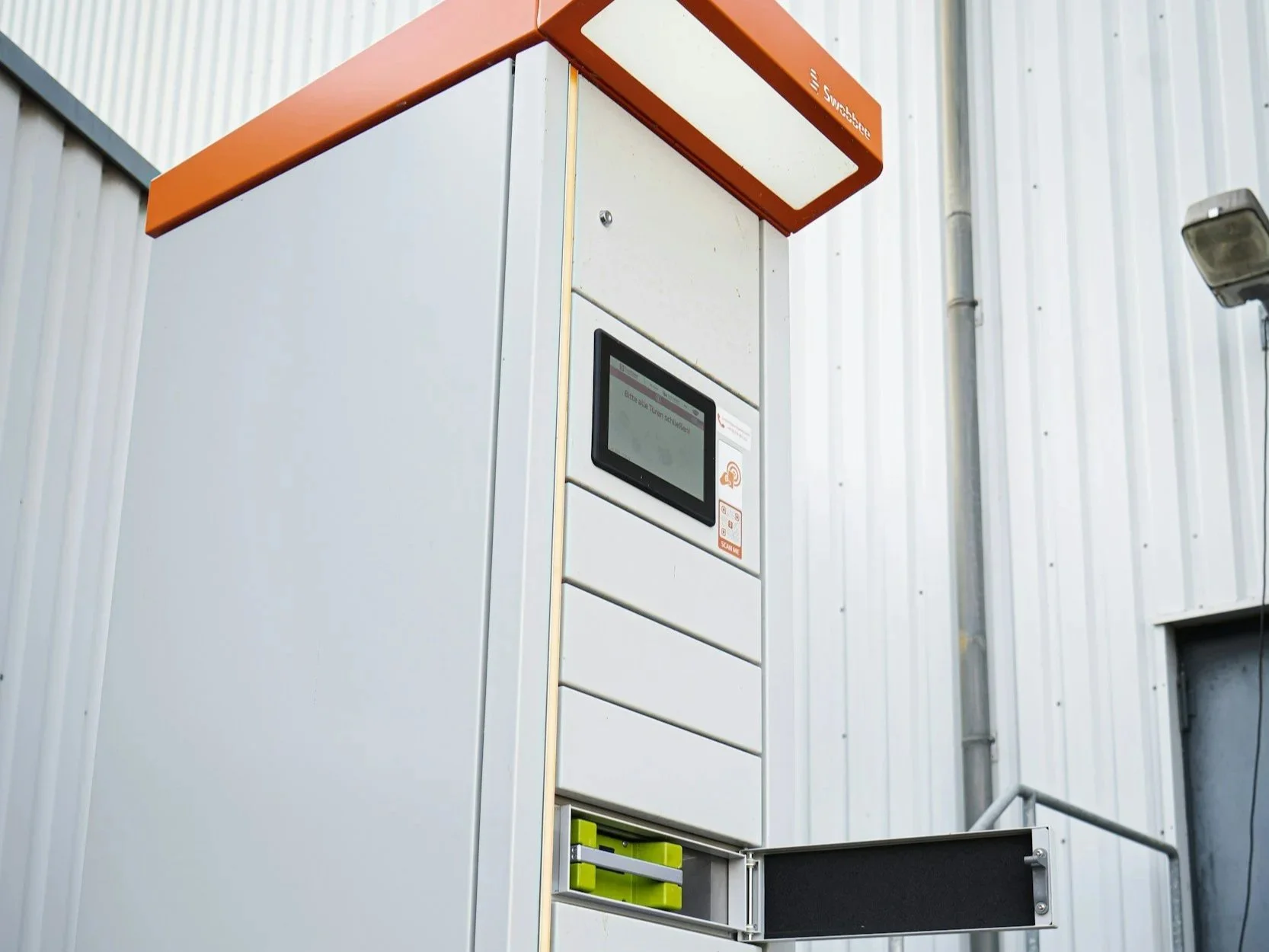
Battery Energy Storage Systems
Battery Energy Storage System (BESS) involves designing, siting, permitting, and building battery systems for building and grid support, integrating electrical, civil, and software expertise to manage complex projects from feasibility to commissioning, ensuring safety, grid compatibility, and optimal performance for renewable energy integration and grid stability.